
Chartered accountant Michael Brown is the founder and CEO of Double Entry Bookkeeping. He has worked as an accountant and consultant for more than 25 years and has built financial models for all types of industries. He has been the CFO or controller of both small and medium sized companies and has run small businesses of his own. He has been a manager and an auditor with Deloitte, a big 4 accountancy firm, and holds a degree from Loughborough University. Instead, as a form of distribution of a firm’s accumulated earnings, dividends are treated as a distribution of equity of the business. Net income is the portion of gross income that’s left over after all expenses have been met.
Temporary accounts:
The total of the income summary account after the all temporary accounts have been close should be equal to the net income for the period. However, some corporations use a temporary clearing account for dividends declared (let’s use « Dividends »). They’d record declarations by debiting Dividends Payable and crediting Dividends. If this is the case, then this temporary dividends account needs to be closed at the end of the period to the capital account, Retained Earnings. Temporary accounts include all revenue and expense accounts, and also withdrawal accounts of owner/s in the case of sole proprietorships and partnerships (dividends for corporations). Permanent accounts are accounts that show the long-standing financial position of a company.
Temporary Accounts
For example, the balance of a revenue account will go to the income summary. After closing both income and revenue accounts, the income summary account is also closed. All generated revenue of a period is transferred to retained earnings so that it is stored there for business use whenever needed.
Get Started
- He has been a manager and an auditor with Deloitte, a big 4 accountancy firm, and holds a degree from Loughborough University.
- The income summary account is a temporary account that you put all revenue and expense accounts into at the end of the accounting period.
- It can be a calendar year for one business while another business might use a fiscal quarter.
- The purpose of the closing entry is to reset temporary account balances to zero on the general ledger, the record-keeping system for a company’s financial data.
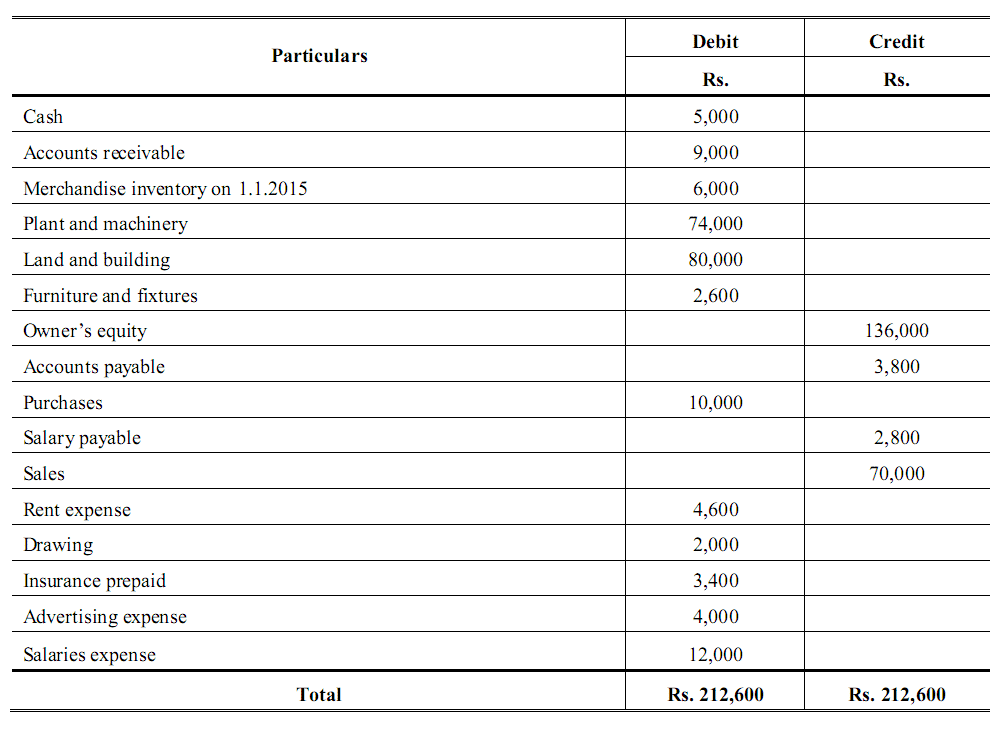
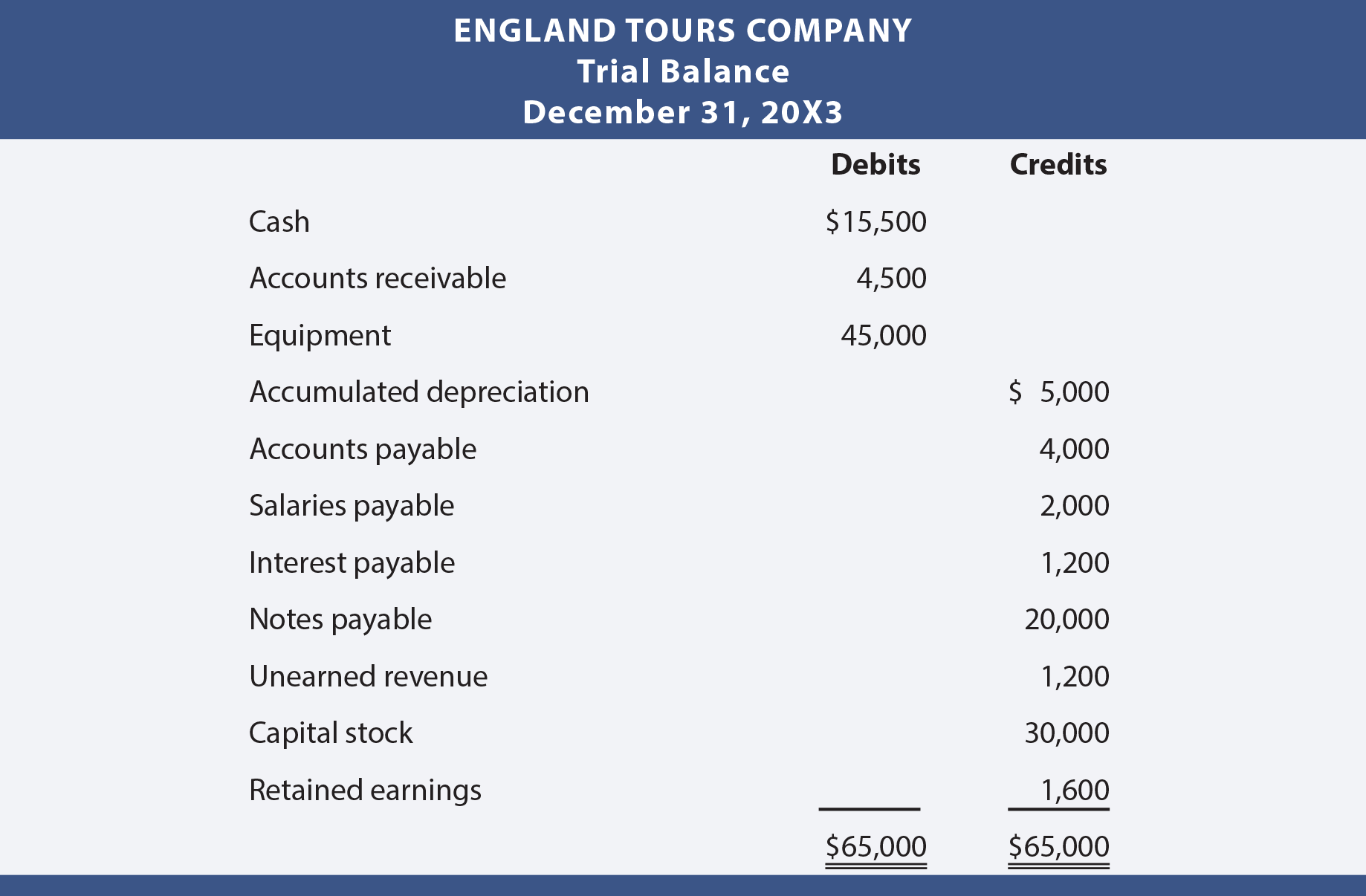
- This trial balance gives the opening balances for the next accounting period, and contains only balance sheet accounts including the new balance on the retained earnings account as shown below.
In this example, it is assumed that there is just one expense account. Closing entries are crucial for maintaining accurate financial records. HighRadius has a comprehensive Record to Report suite that revolutionizes your accounting processes, making them more efficient and accurate.
Imagine we are doing a month-end or year-end close, we’re going to follow these steps. Closing entries help in the reconciliation of accounts which facilitates in controlling the overall financials of a firm. It’s vital in business to keep a detailed record of your accounts.
The income summary is a temporary account used to make closing entries. Closing the books not only helps to ensure the accuracy and completeness of the financial statements but also provides a clean set of books for the next accounting period. If your company doesn’t have dividends then you won’t need to do this step. If it does, you’ll need to debit retained earnings and credit dividends like in the example here. These accounts are be zeroed and their balance should be transferred to permanent accounts.
An accounting period is any duration of time that’s covered by financial statements. It can be a calendar year for one business while another business might use a fiscal quarter. Any account listed on the balance sheet is a permanent account, barring paid dividends. On the balance sheet, $75 of cash held today is still valued at $75 next year, even if it is not spent. This is closed by doing the opposite – debit the capital account (decreasing the capital balance) and credit Income Summary. To close that, we debit Service Revenue for the full amount and credit Income Summary for the same.
Permanent accounts track activities that extend beyond the current accounting period. They’re housed on the balance sheet, a section of financial statements that gives investors an indication of a company’s value including its assets and liabilities. Temporary accounts are used to record accounting activity during a specific period. All revenue and expense accounts must end with a zero balance because they’re reported in defined periods. A hundred dollars in revenue this year doesn’t count as $100 in revenue for next year even if the company retained the funds for use in the next 12 months.
In order to produce more timely information some businesses issue financial statements for periods shorter than a full fiscal or calendar year. Such periods are referred to as interim periods and the accounts produced as interim financial statements. LiveCube Task Automation is designed to automate setting up a mobile office for your business repetitive tasks, improve efficiency, and facilitate real-time collaboration across teams. By leveraging advanced workflow management, the no-code platform, LiveCube ensures that all closing tasks are completed on time and accurately, reducing the manual effort and the risk of errors.
